
BIO
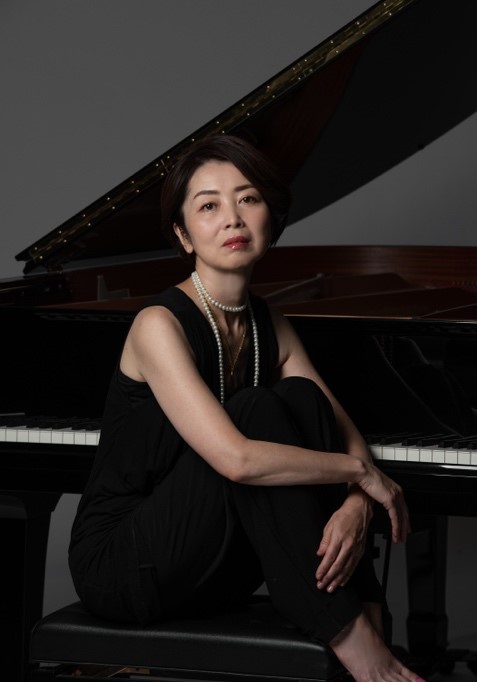
Maki is an internationally active collaborative pianist in both classical and popular styles of music. As an award-winning pianist, her concert performances have spanned three continents. She is originally from Tokyo, Japan. She moved to the United States in 2003, and has been in Albuquerque, New Mexico since 2005. She received her M.M. degree in both Piano Performance and Collaborative Piano from the University of New Mexico, where she graduated with distinction honors.
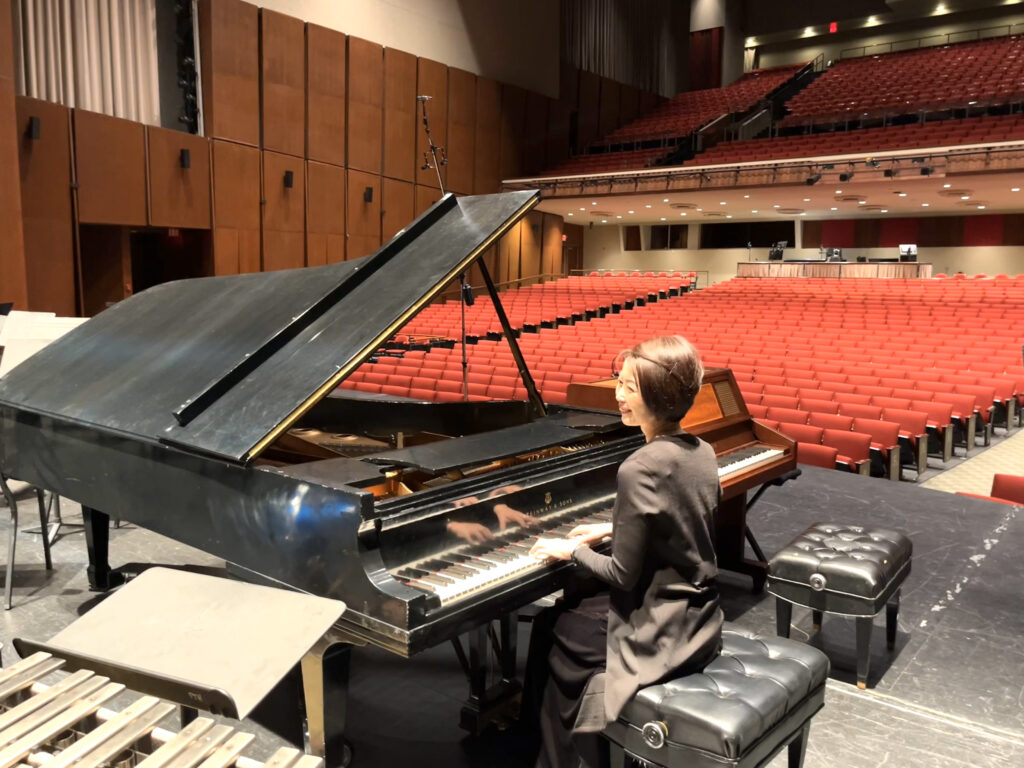
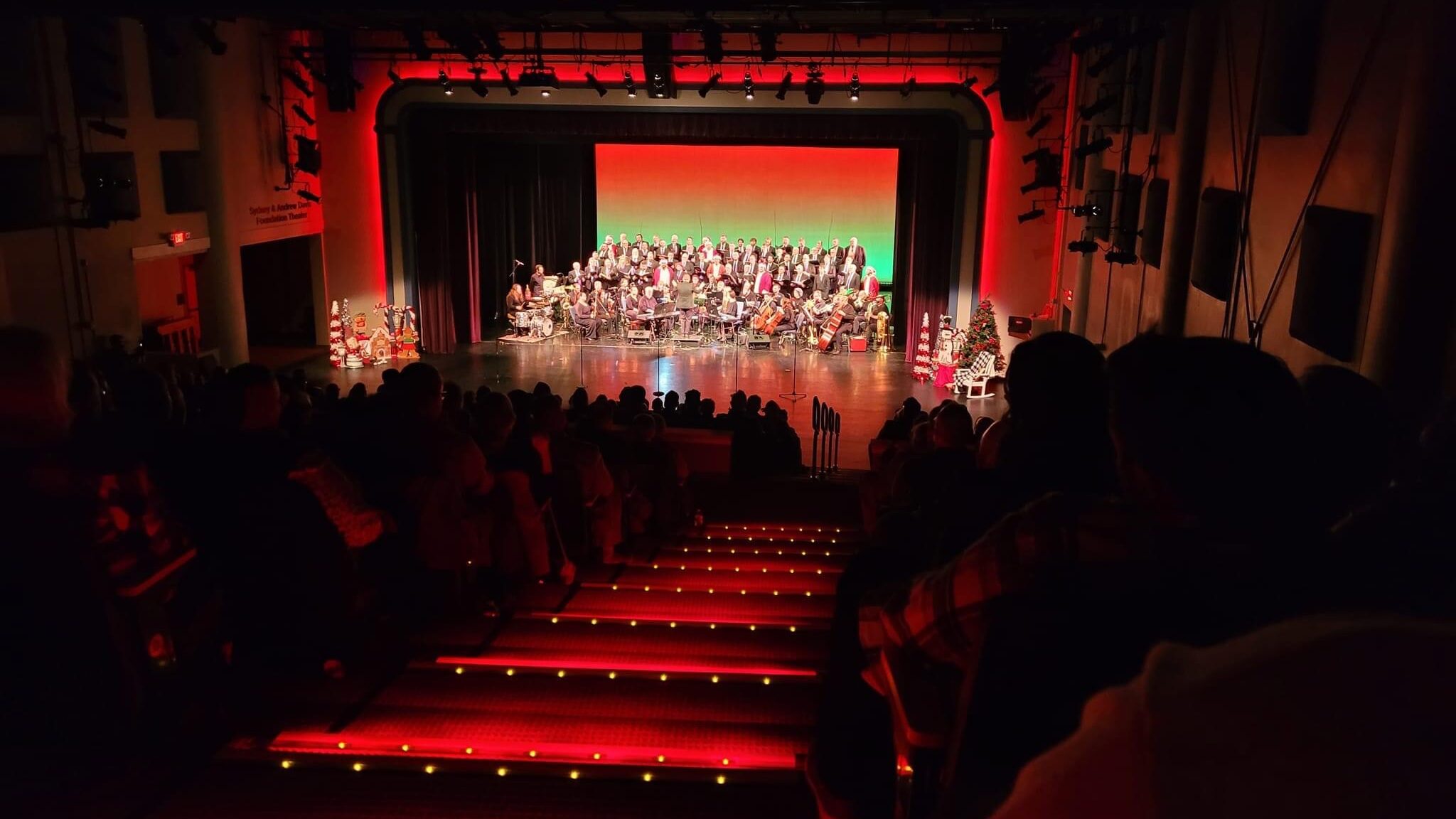
Currently she is an adjunct faculty at the University of New Mexico - Gallup and staff pianist at the UNM Music Department. Greatly in demand as a musician, she also works for New Mexico Philharmonic, Netflix, Opera Southwest, Covenant Presbyterian Church, New Mexico Gay Men's Chorus, National Dance Institute of New Mexico, Opera West, Nathan Felix's Project, etc. Her recent studio recording work includes the PBS documentary “Invisible Corps” directed by 26-time Emmy Award winner Chris Schueler.
Currently she is an adjunct faculty at the University of New Mexico - Gallup and staff pianist at the UNM Music Department. Greatly in demand as a musician, she also works for New Mexico Philharmonic, Netflix, Opera Southwest, Covenant Presbyterian Church, New Mexico Gay Men's Chorus, National Dance Institute of New Mexico, Opera West, Nathan Felix's Project, etc. Her recent studio recording work includes the PBS documentary “Invisible Corps” directed by 26-time Emmy Award winner Chris Schueler.
Early Life
Maki was an introverted child and preferred being alone. She started taking piano lessons at the age of 4. First it was just a hobby but, when she was 13 years old, she decided to become a professional pianist. She practiced fiercely in the extremely competitive environment, but soon after she developed severe tendonitis and had to have surgery on both hands. The doctor said there was no way she could aspire to be a pianist again. Her dream was suddenly shattered. However, she had never thought about other options until then so still enrolled in a high school with a small music division. Deeply frustrated, she sank into a sluggish state with bad performance anxiety.
Career
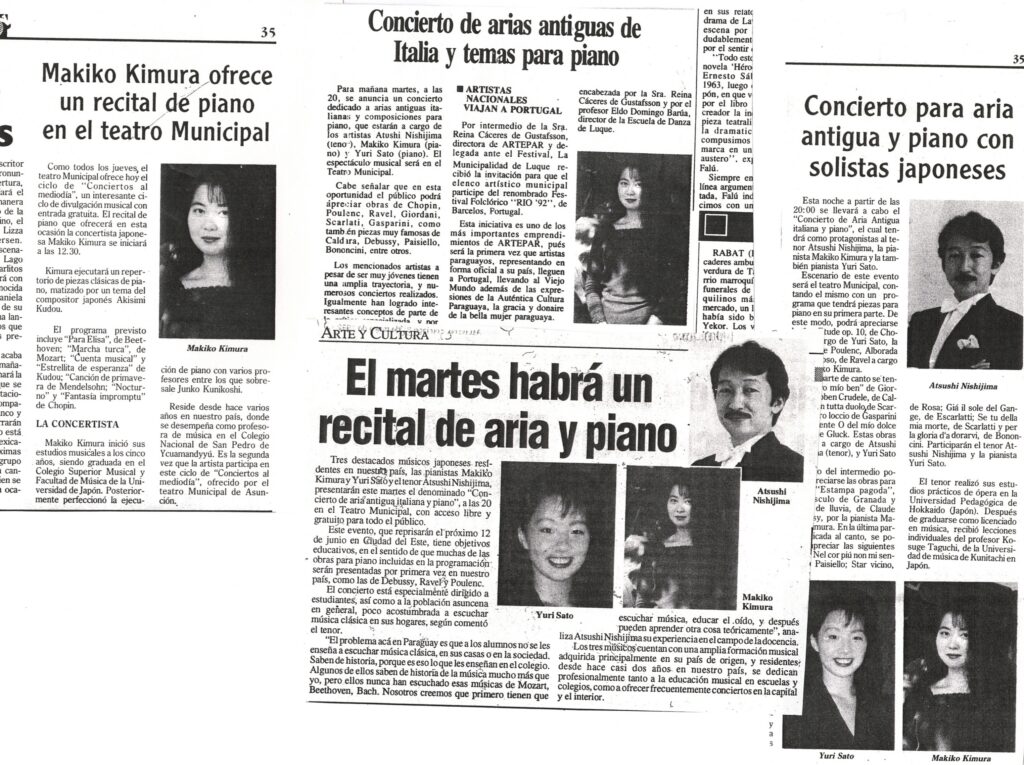
She listlessly continued her piano study at Nihon University College of Art. One day in her senior year, she came across a recruitment advertisement to the Ministry of Foreign Affairs’ overseas technical cooperation program. Hoping to change her dreary life, she jumped at the opportunity and was dispatched to Paraguay. While teaching music, she also played a role as cultural ambassador and gave numerous piano concerts throughout country. Completing her three-year mission, she received awards from the Japanese Ministry of Foreign Affairs and the Mayor of San Pedro for her achievement in Paraguay. This cross-cultural experience became the foundation for her later life.
After returning to Japan, she began planning without doubt to continue her career as a pianist. However, despite many tries there were no music agencies in Tokyo interested in her. Feeling like an outcast, she played low-pay, late-night piano gigs to make ends meet. At the same time, she taught piano part-time at a college and while working back and forth between the late-night gigs and the academic environment during the day, she gradually became both physically and spiritually ill.
After returning to Japan, she began planning without doubt to continue her career as a pianist. However, despite many tries there were no music agencies in Tokyo interested in her. Feeling like an outcast, she played low-pay, late-night piano gigs to make ends meet. At the same time, she taught piano part-time at a college and while working back and forth between the late-night gigs and the academic environment during the day, she gradually became both physically and spiritually ill.
One day her stress reached its peak and she quit music-related jobs all together. She took some part-time jobs and spent her free time studying Spanish and Japanese calligraphy until she regained her health.
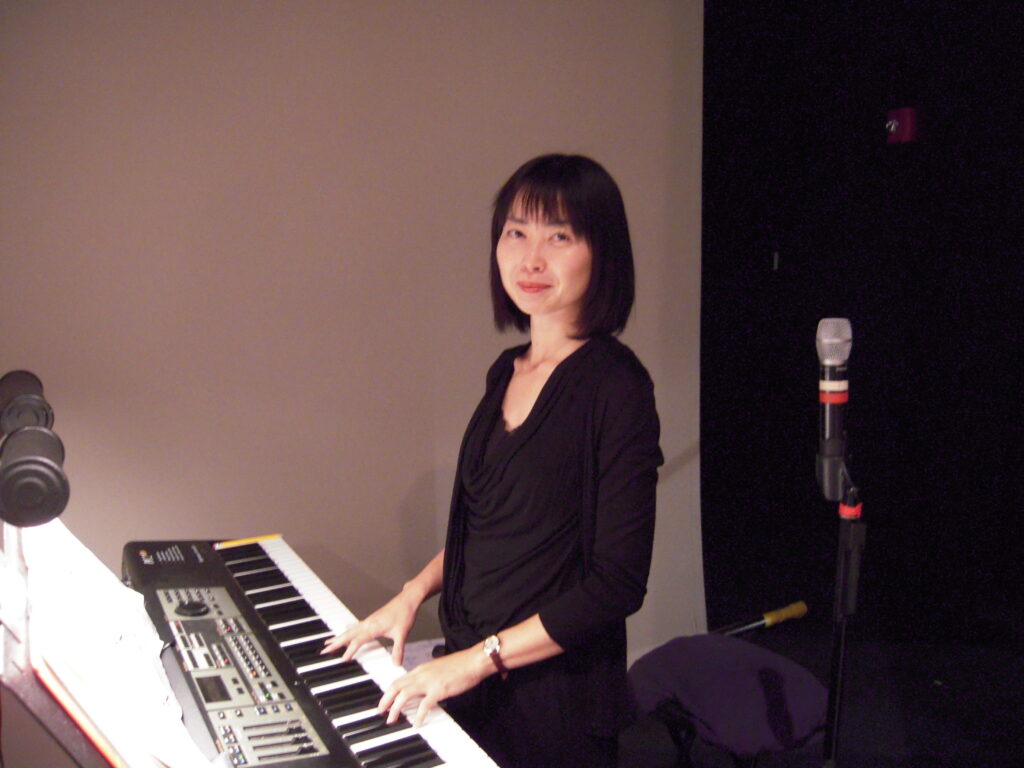
After studying Spanish, she was awarded the Practical Spanish Official Diploma from Japan's Ministry of Education, Science and Culture, and was chosen among 7,400 candidates to receive the 2002 Spanish Ambassador Prize for Excellence. After only a short period of time away from the piano, she achieved first place in a different field, which made her realize for the first time how much time and energy she had devoted to the piano in her life. But at the same time, she faced the reality that no matter how hard she tried, she was never good enough to make a living as a pianist. She humbly accepted this fact and decided to make Spanish her second career.
After studying Spanish, she was awarded the Practical Spanish Official Diploma from Japan's Ministry of Education, Science and Culture, and was chosen among 7,400 candidates to receive the 2002 Spanish Ambassador Prize for Excellence. After only a short period of time away from the piano, she achieved first place in a different field, which made her realize for the first time how much time and energy she had devoted to the piano in her life. But at the same time, she faced the reality that no matter how hard she tried, she was never good enough to make a living as a pianist. She humbly accepted this fact and decided to make Spanish her second career.
Since she had three months before starting a new job, she had the idea of staying in New Orleans for a month or two to refresh her mind. It was suggested to get a student visa just for safety, so she enrolled in an ESL program at Loyola University in New Orleans. But at that time, she had no intention of studying English, but needed to maintain her Spanish skill so she only hung out with Spanish speakers and enjoyed visiting live jazz spots in the French Quarter.
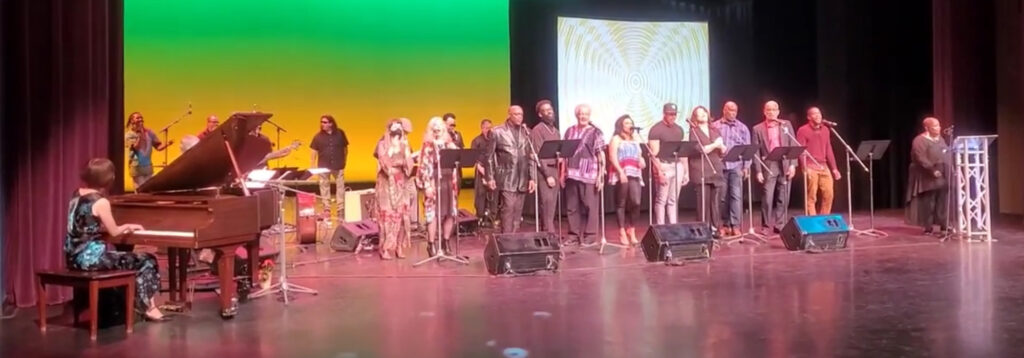
She sometimes visited Loyola's music practice rooms to play the piano, then gradually got acquainted with the people around. Someone introduced her to a jazz piano teacher, and she took some jazz lessons. One day a classical piano professor suggested audition for a scholarship, then Loyola University awarded her a full scholarship for its graduate program. She felt that fate had set in, then canceled her returning flight to Japan.
She started her school life but her second language was Spanish at that time, and her English was very poor, far from the college level. Urgently studying English without sleeping well, she developed an English stutter badly that brought back her introverted nature. Two years later, just as life in the U.S. was starting to get a little smoother, hurricane Katrina hit New Orleans. Her apartment was flooded and she lost all her belongings. She evacuated at the last minute and by coincidence she ended up in Albuquerque, New Mexico.
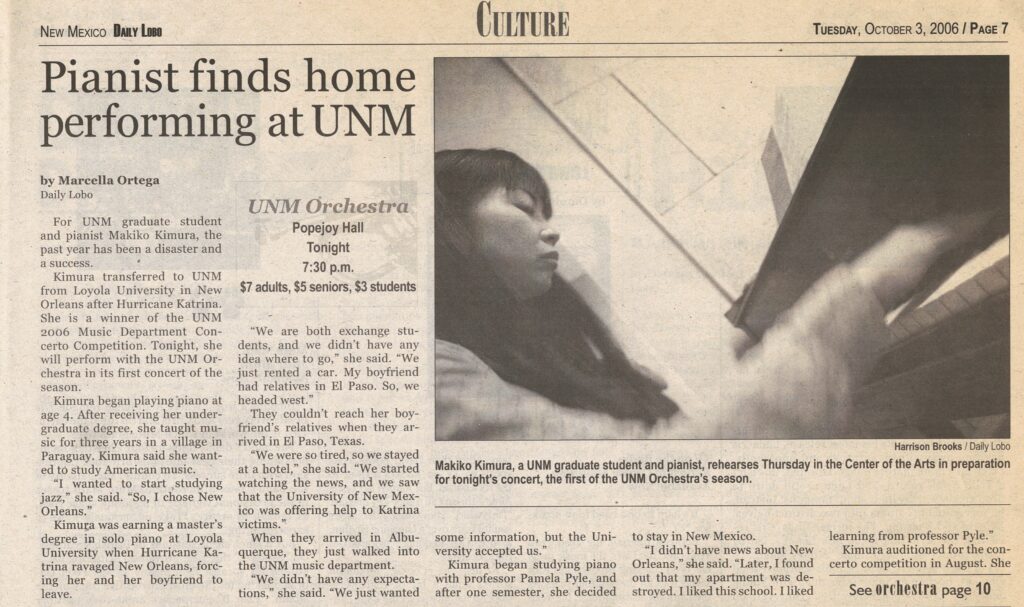
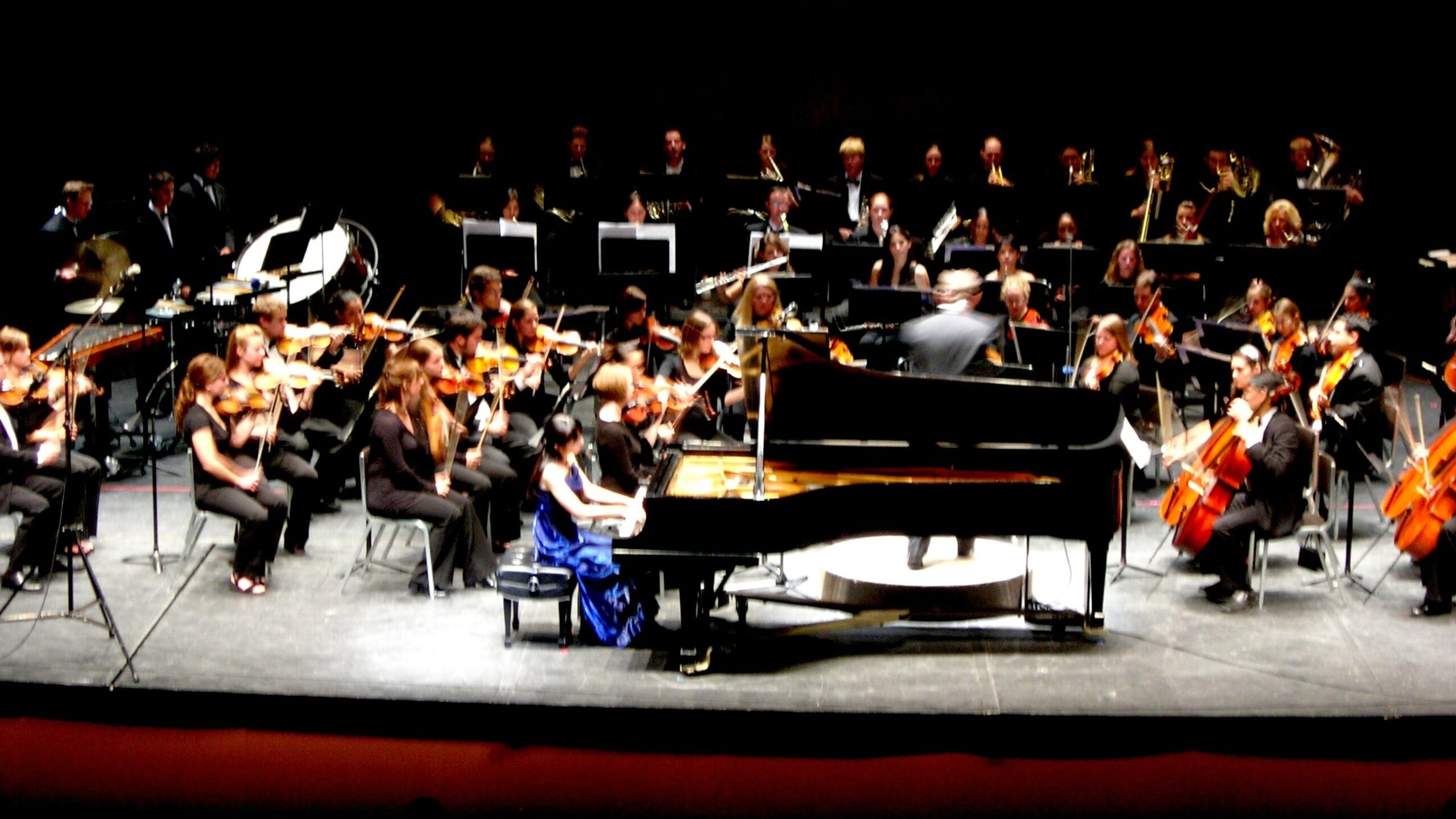
While nobody knew what would happen to New Orleans after the disaster, the University of New Mexico accepted her as a graduate assistant to continue her study. She stopped her jazz piano study and instead started collaborative piano study along with solo piano study. She was the first student in the UNM music department to achieve that dual concentration. During her school years, she won the UNM Concerto Competition and NM Creative Symposium as a solo pianist and contributed to many awards as a collaborative pianist. She received her M.M degree in both Piano Performance and Collaborative Piano, where she graduated with distinction honors. After graduating from UNM, she obtained the O-1 artist visa, which is for individuals with extraordinary ability or achievement, then the EB-1 artist green card, which is for first-preference workers with extraordinary ability in arts.
In New Mexico, she worked with the National Dance Institute of New Mexico (NDI-NM) for fourteen years. Until she was appointed to a teaching position at University of New Mexico - Gallup, she served as a Residency Music Director and has extensively toured throughout the state of New Mexico. She has done over 260 weeks of tours in ten years to bring their award-winning dance program to over 22,000 young people, then she was appointed as Albuquerque Associate Music Director. She music-directed dance events of the Hiland Program and worked with world-acclaimed artists such as Ann Reinking and Evelyn Cisneros-Legate.
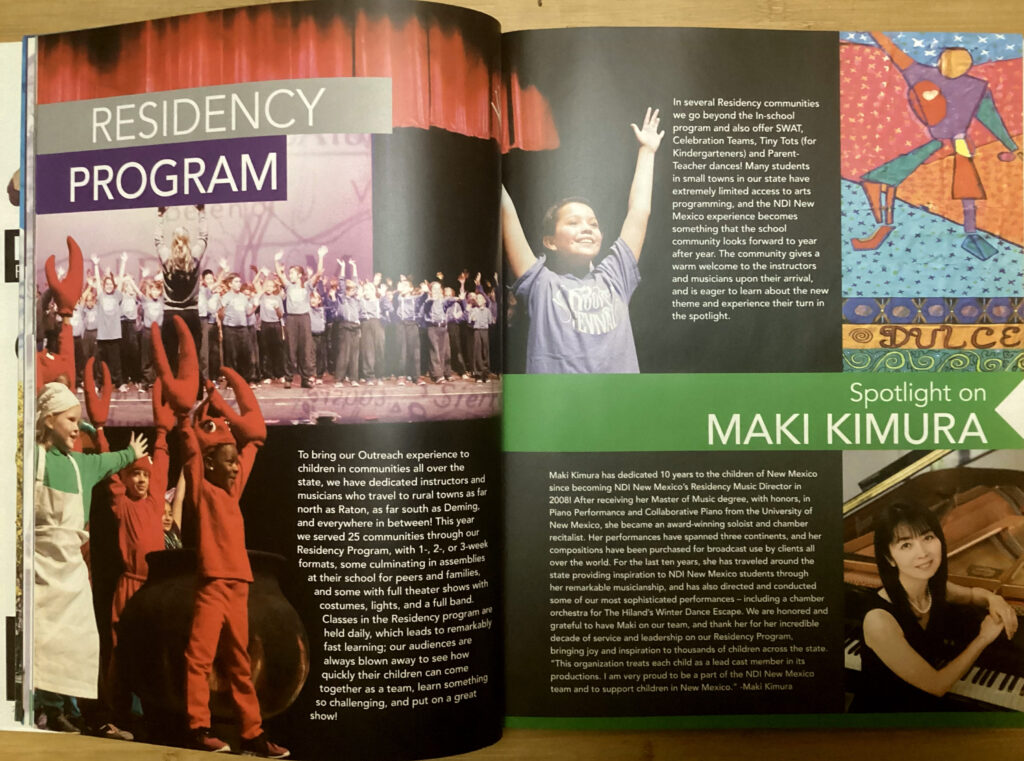
In New Mexico, she worked with the National Dance Institute of New Mexico (NDI-NM) for fourteen years. Until she was appointed to a teaching position at University of New Mexico - Gallup, she served as a Residency Music Director and has extensively toured throughout the state of New Mexico. She has done over 260 weeks of tours in ten years to bring their award-winning dance program to over 22,000 young people, then she was appointed as Albuquerque Associate Music Director. She music-directed dance events of the Hiland Program and worked with world-acclaimed artists such as Ann Reinking and Evelyn Cisneros-Legate.
While working with NDI-NM, she co-owned the music composition production “Doubletime Creations.” Her music tracks have been adopted for broadcast use by BBC America “History of Science” and other projects (museums, pavilions, airport, cable TV, CM) by clients all over the world.
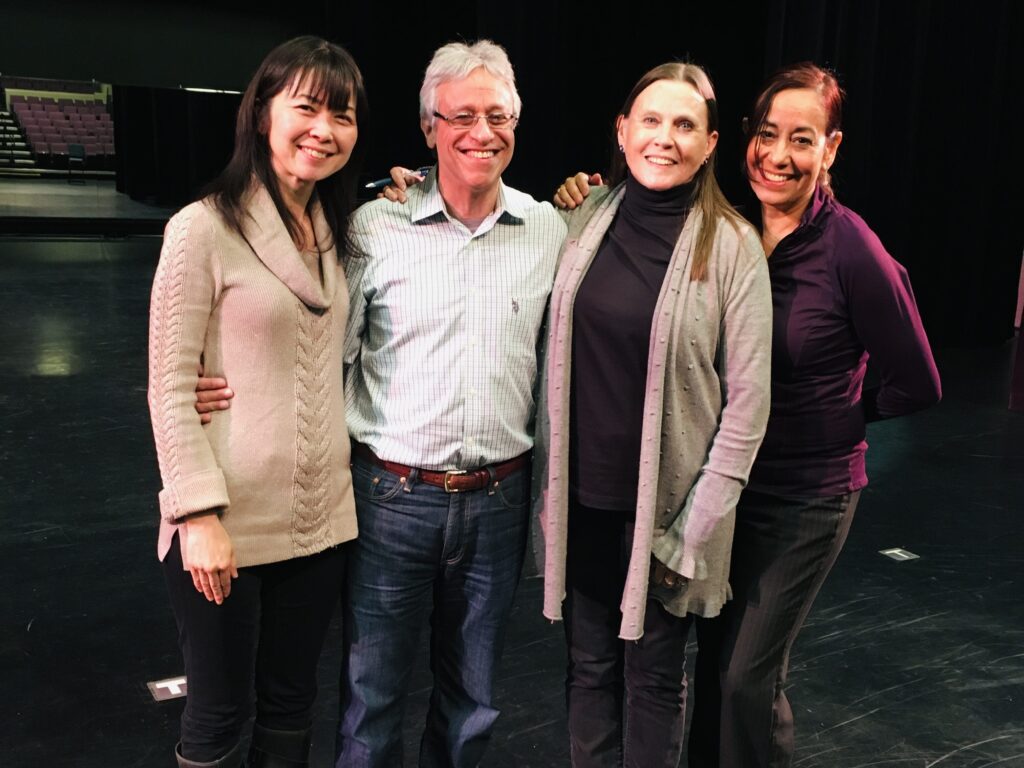
While working with NDI-NM, she co-owned the music composition production “Doubletime Creations.” Her music tracks have been adopted for broadcast use by BBC America “History of Science” and other projects (museums, pavilions, airport, cable TV, CM) by clients all over the world.
Other Activities
COVID-19 hit the world soon after she left NDI-NM and began her new career as a freelancer.
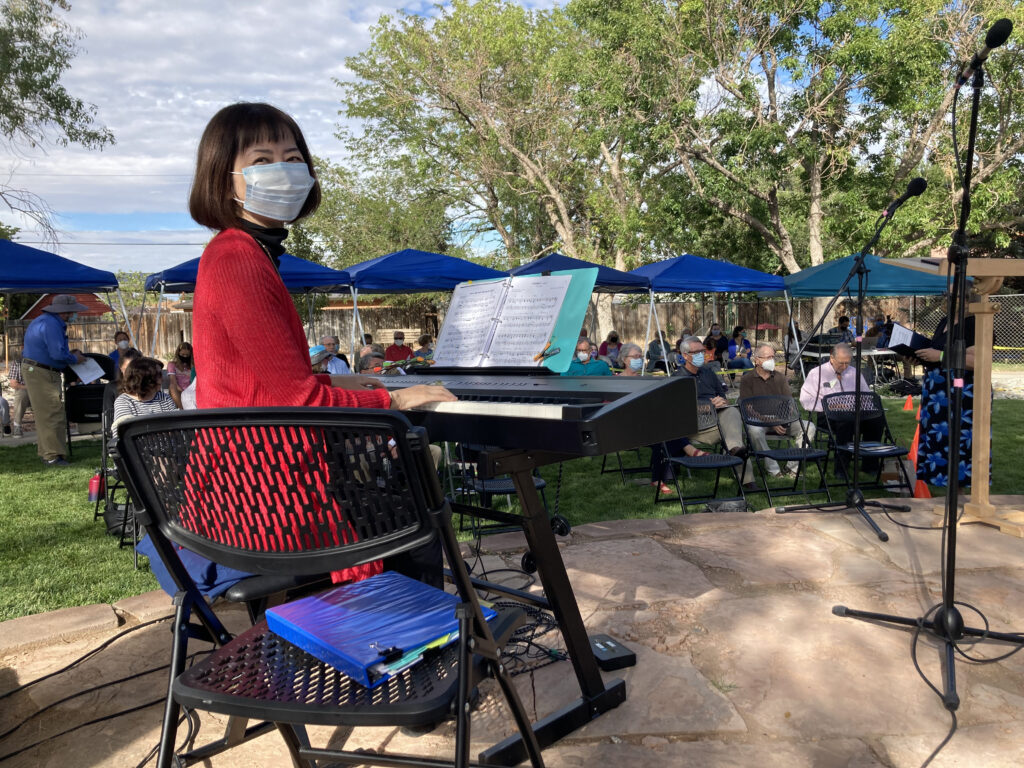
COVID-19 hit the world soon after she left NDI-NM and began her new career as a freelancer.
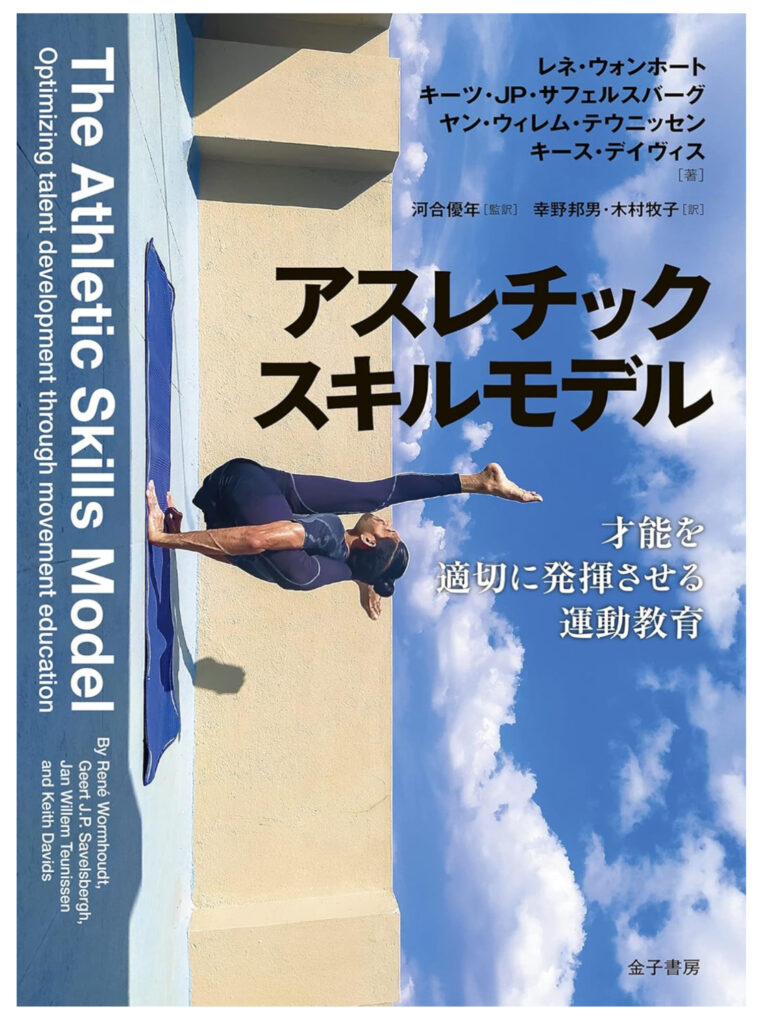
The music industry was deeply affected by the pandemic and her piano gigs were all canceled. However, she kept her activities going by teaching online classes at University of New Mexico-Gallup, and as a multi-lingual, she co-translated a college textbook “The Athletic Skills Model” by René Wormhoudt from English to Japanese, which was published by Kaneko Shobo, one of Japan's most prestigious publishers.
Besides music, she has been learning Japanese traditional calligraphy since childhood and has exhibited her work at exhibitions. She stopped the activity after moving to the United States to focus on piano. 2023 marked her 20th anniversary as an immigrant, and she decided to take up calligraphy again. For her calligraphy, she dissolves pure gold and silver with sacred water that she personally drew from a shrine deep in the mountains of Kyoto, Japan and writes words on hand-dyed linen cloth by a Japanese textile artist. Currently, piano and calligraphy are equally important for her as a means of self-expression to bring inner peace to those around her. She is multilingual not only in language but also in art.

Besides music, she has been learning Japanese traditional calligraphy since childhood and has exhibited her work at exhibitions. She stopped the activity after moving to the United States to focus on piano. 2023 marked her 20th anniversary as an immigrant, and she decided to take up calligraphy again. For her calligraphy, she dissolves pure gold and silver with sacred water that she personally drew from a shrine deep in the mountains of Kyoto, Japan and writes words on hand-dyed linen cloth by a Japanese textile artist. Currently, piano and calligraphy are equally important for her as a means of self-expression to bring inner peace to those around her. She is multilingual not only in language but also in art.
Future Projects
Her goal as an artist is to express integrity and a deep sense of inner peace beyond language and cultural barriers. She came back to the music scene as restrictions due to COVID-19 were gradually eased. Currently, she is passionate about working in the film industry as a recording artist and to continue expanding her career as a collaborative pianist and college instructor. As one of her ongoing mix-media projects, she is creating artwork incorporating her calligraphy into music. With vast work experiences and her multi-cultural background, Maki's diverse career continues to grow.
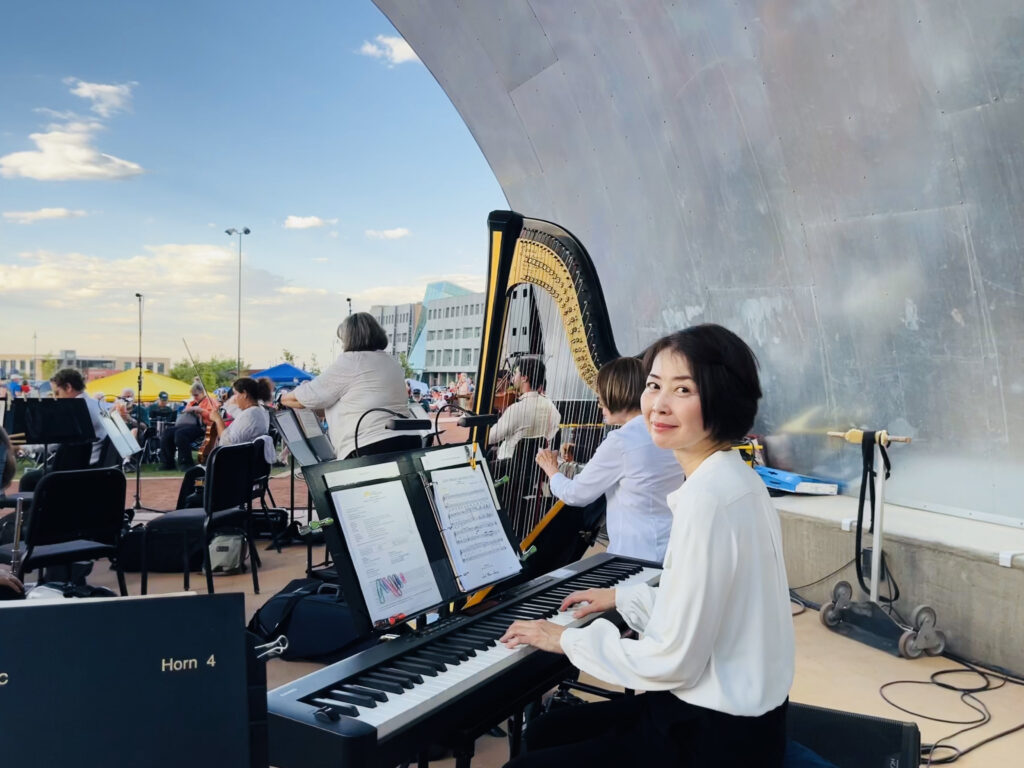
Her goal as an artist is to express integrity and a deep sense of inner peace beyond language and cultural barriers. She came back to the music scene as restrictions due to COVID-19 were gradually eased. Currently, she is passionate about working in the film industry as a recording artist and to continue expanding her career as a collaborative pianist and college instructor. As one of her ongoing mix-media projects, she is creating artwork incorporating her calligraphy into music. With vast work experiences and her multi-cultural background, Maki's diverse career continues to grow.
External links
University of New Mexico
https://www.unm.edu
New Mexico Philharmonic
https://nmphil.org
Opera Southwest
https://www.operasouthwest.org
Covenant Presbyterian Church
https://www.covpresnm.org
New Mexico Gay Men’s Chorus
https://www.nmgmc.org
National Dance Institute of New Mexico
https://ndi-nm.org
EB-1 Green Card
https://www.uscis.gov/working-in-the-united-states/permanent-workers/employment-based-immigration-first-preference-eb-1
Ann Reinking
https://en.wikipedia.org/wiki/Ann_Reinking
Evelyn Cisneros – Legate
https://en.wikipedia.org/wiki/Evelyn_Cisneros
Opera West
https://www.operawest.org
Nathan Felix Composer
https://electrochestral.com
NM PBS
https://www.newmexicopbs.org
Invisible Corps
https://invisiblecorps.com
Christopher Production
http://www.christopherproductions.org
Nihon University College of Art
https://www.art.nihon-u.ac.jp/english/
Ministry of Foreign Affairs of Japan
https://www.mofa.go.jp/index.html
Sociedad Hispánica del Japón
https://casa-esp.com
Loyola University New Orleans
https://www.loyno.edu
The Athletic Skills Model Kaneko Shobo
https://www.kanekoshobo.co.jp/book/b584431.html